


Exploring Brass Quality in Indian Handicrafts: Grades, Purity Tests, and Their Significance
Introduction to Brass in Indian Handicrafts
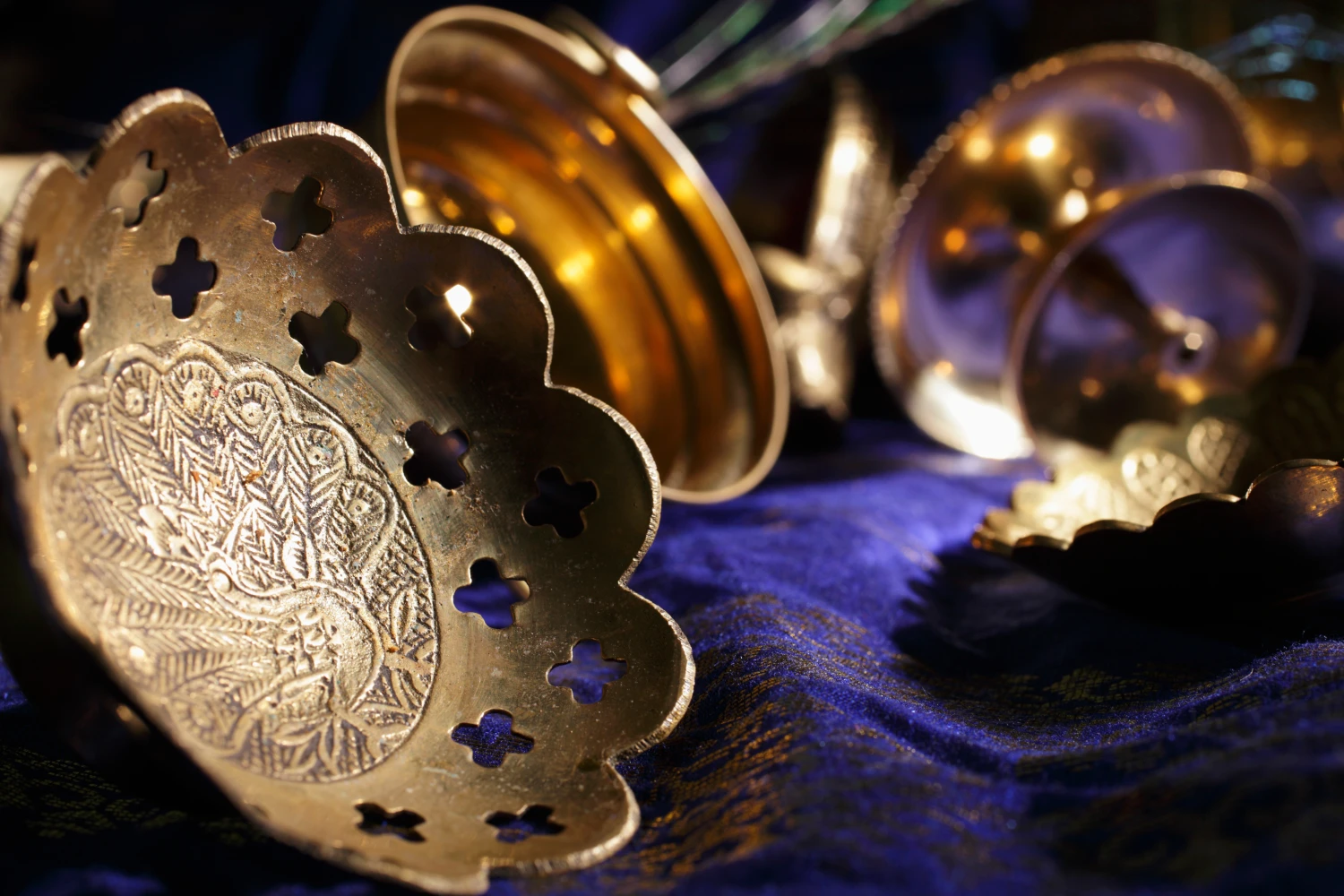
Brass—an alloy of copper and zinc—has been central to Indian ornamentation, temple ware, and decorative art for centuries. Its warm glow, malleable nature, and durability make it ideal for intricate techniques like lost-wax casting, repoussé, and filigree. Yet not all brass is created equal. Understanding its grade and purity is key to ensuring beauty, longevity, and safety in every piece.
Common Brass Grades in Indian Handicrafts
Different Cu/Zn ratios yield distinct hues, mechanical properties, and workability. Here’s a quick guide:
Grade | Composition | Color Hue | Typical Uses |
|---|---|---|---|
L-63 Yellow | 63% / 37% | Bright golden | Bells, utensils, decorative trays |
L-70 Cartridge | 70% / 30% | Rich gold | Deep-drawn vessels, trays, puja items |
L-80 Red | 80% / 20% | Warm reddish gold | Temple bells, statues, high-detail pieces |
L-85 Redder | 85% / 15% | Deep red gold | Antique-finish items, premium artifacts |
Visual and On-Site Purity Tests
Ensuring you have the right brass grade starts with simple checks:
- Visual Hue
Pure copper-rich brass leans redder; higher zinc makes it pale yellow. Look for uniform coloration—blotches can signal uneven mixing. - Spark Test
Lightly grind a small edge. A colder, forked spark with reddish tips indicates more copper. Bright, short sparks mean higher zinc. - Density (Specific Gravity)
Weigh the sample in air (Wa) and water (Ww). - Acid Test
Apply a tiny drop of dilute nitric acid. A blue-green solution confirms copper release, while a faint reaction suggests more zinc. Always neutralize and rinse thoroughly.
True brass falls between 8.4–8.7 g/cm³. Deviations hint at impurities or other alloying elements.
Why Brass Purity Matters
- Finish and Color Consistency
High-copper brass yields richer tones and polishes to a deeper luster. Impure mixes can age unevenly, compromising aesthetics. - Workability and Detail
Pure alloys flow better in lost-wax and deep-drawing processes, capturing the finest filigree and repoussé work. Lower grades risk cracks and porosity. - Corrosion Resistance
More copper enhances resistance to tarnish and pitting, crucial for temple ware and kitchen utensils that see frequent contact with moisture or spices. - Health and Safety
For food-contact items—lotas, cups, spice boxes—low-lead, high-copper brass prevents metal leaching. Certified grades ensure compliance with drinking-water and cookware standards. - Longevity and Value
Purity correlates with durability. Artifacts crafted from premium brass not only last generations but also retain higher resale or heirloom value.
Best Practices for Buyers and Artisans
- Perform quick on-site tests (spark, visual hue) on received lots.
- Store brass in a dry, ventilated place to prevent surface oxidation.
Latest Editorials

The Art & Alchemy Behind Indian Brass Handicrafts

Brass: India’s Own Golden Metal