
My Unlikely Quest for the Perfect Brass Ganesha Idol
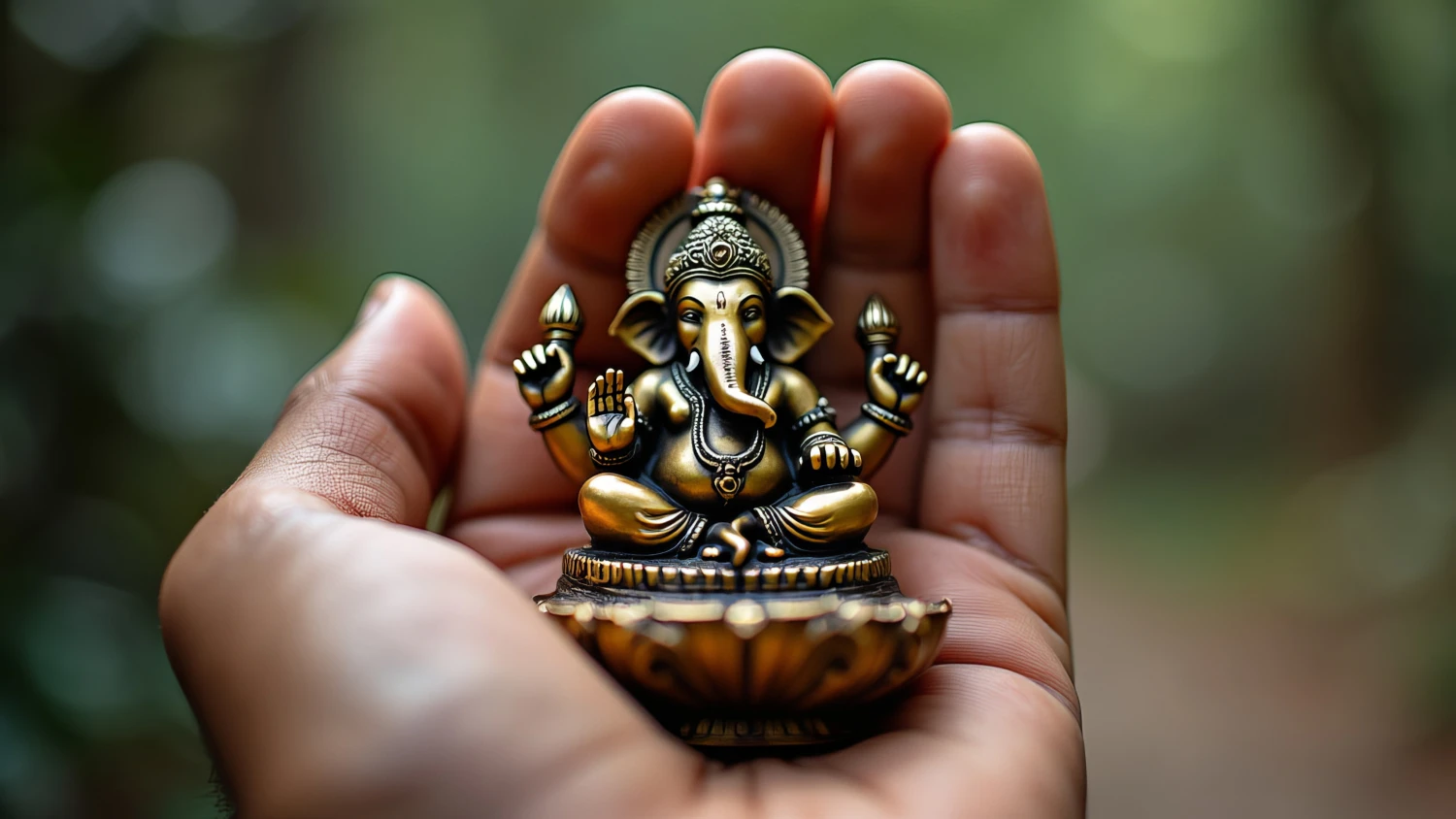
I started my Ganesha hunt like any modern devotee—crooked fingers flying over a search bar at 2 AM, convinced the shiniest idol would bring instant blessings. When the package arrived, I tore it open with all the enthusiasm of a child on Diwali morning. But instead of the warm glow I’d imagined, I got what looked like a toy-sized Ganesha with a finish so unnaturally bright, even my phone’s flash was jealous. Lesson one: Photoshop magic on e-commerce sites does not translate to real-world divinity.
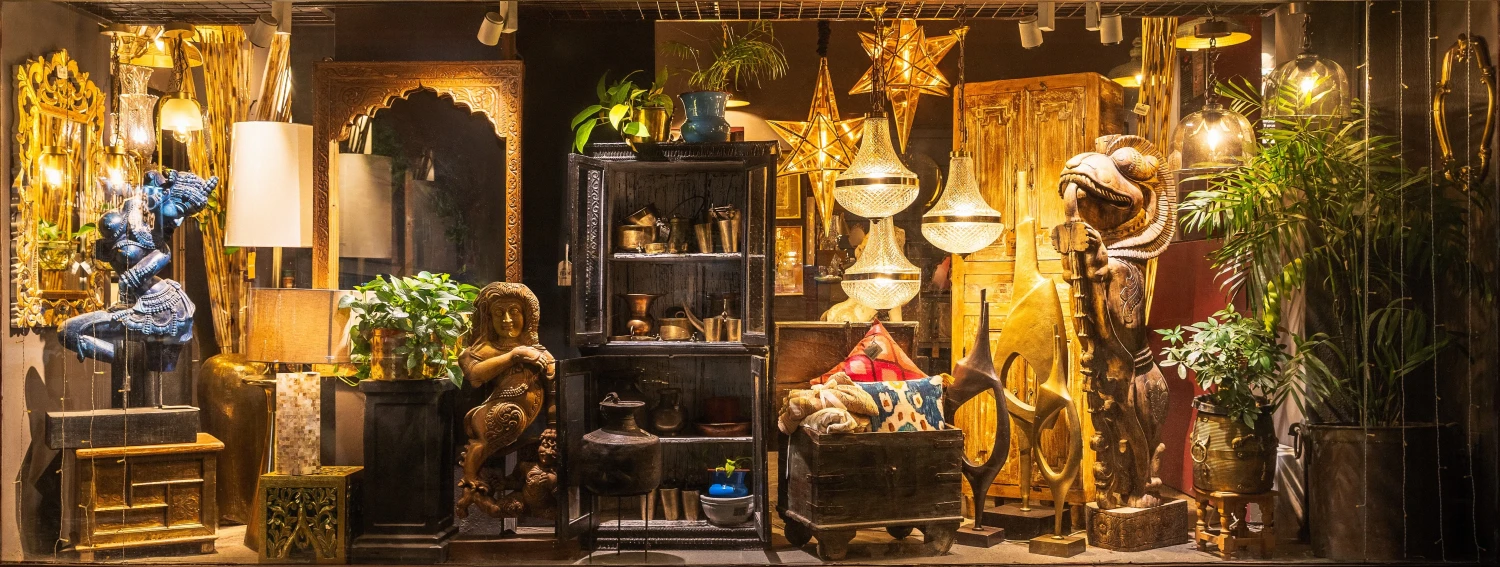
Emboldened (and slightly bruised in ego), I marched to the nearest handicrafts store. The showroom sparkled with brass bowls, lamps, and yes, plenty of Ganeshas. I ran my fingers over a medium-sized idol—he felt surprisingly cool and smooth, but something in his gaze seemed off-center, like he was yawning mid-prayer. The shopkeeper nodded approvingly, but my heart said, “Meh.” I realized that even brick-and-mortar stores sometimes cater more to margins than to true craftsmanship. And I still felt insatiated.
This feeling I harboured for sometime, but suddenly when I was touring UP, just as I was having a chat with my travel aquaintence, they suggested that I go directly to the karigar. And they tipped me off to a workshop in Aligarh, and this became my next destination. in Aligarh Here I first met Mr. Deshpande (name changed) and his family they had been hand-casting brass idols for three generations. I headed down winding lanes until I spotted a squat red brick building dotted with puddles and the soft clink of metal tools.
Inside, the air smelled like charcoal and promise. Mr. Deshpande greeted me with a shy smile. His idols sat on dusty planks, each one subtly different—none of the identical clones I’d seen before. When I admired a particularly graceful Ganesha, he explained how he mixes the alloy himself, tweaks the copper-to-zinc ratio for the perfect reddish-gold hue, and spends days chiseling the tiniest details.
“Why isn't this available everywhere?” I blurted out, half-blushing. He chuckled, wiping his brow. “Middlemen want uniform pieces they can sell fast. They say my work costs too much—so they skip me and buy cheaper, factory-made idols. I survive on direct customers who feel the difference.” His pride was contagious, and suddenly I didn’t just see brass—I felt devotion molded into metal. Ironically, the price that Mr. Deshpande was quoting was still lesser than the ones I found online and in the store.
Holding that final idol in my hands, I noticed the weight—he was warm, almost alive. His trunk curled just so, forehead etched with a gentle curve that whispered patience. I paid Mr. Deshpande directly, proud that my rupee honored his art, not someone’s margin.
When I placed him on my puja shelf, the house seemed to inhale. His finish wasn’t blinding—it was soft, inviting morning light to dance off his belly. Every time I pass him now, I’m reminded of that winding journey: from online blunder to polished showroom letdown, all the way to an artisan’s humble workshop. I didn’t just buy a brass idol; I forged a connection—one built on trust, feel, and the promise of blessings that will last for generations.
And for the first time, I know I wasn’t scammed—I was initiated.
this is what we want to share with you in Tuki crafts: authentic craftsmanship—honest and true to its skill—resonates in every detail no showroom or slick online listing can replicate. When you choose work born from an artisan’s unwavering dedication, you’re honoring a legacy of quality and trust that can’t be mass-produced.
And as our journey to understand Indian arts, and handicrafts started with Brass, thats why we are focussing on this and Mr. Deshpande's collection for this season.
Latest Editorials
The Art & Alchemy Behind Indian Brass Handicrafts
Brass: India’s Own Golden Metal