



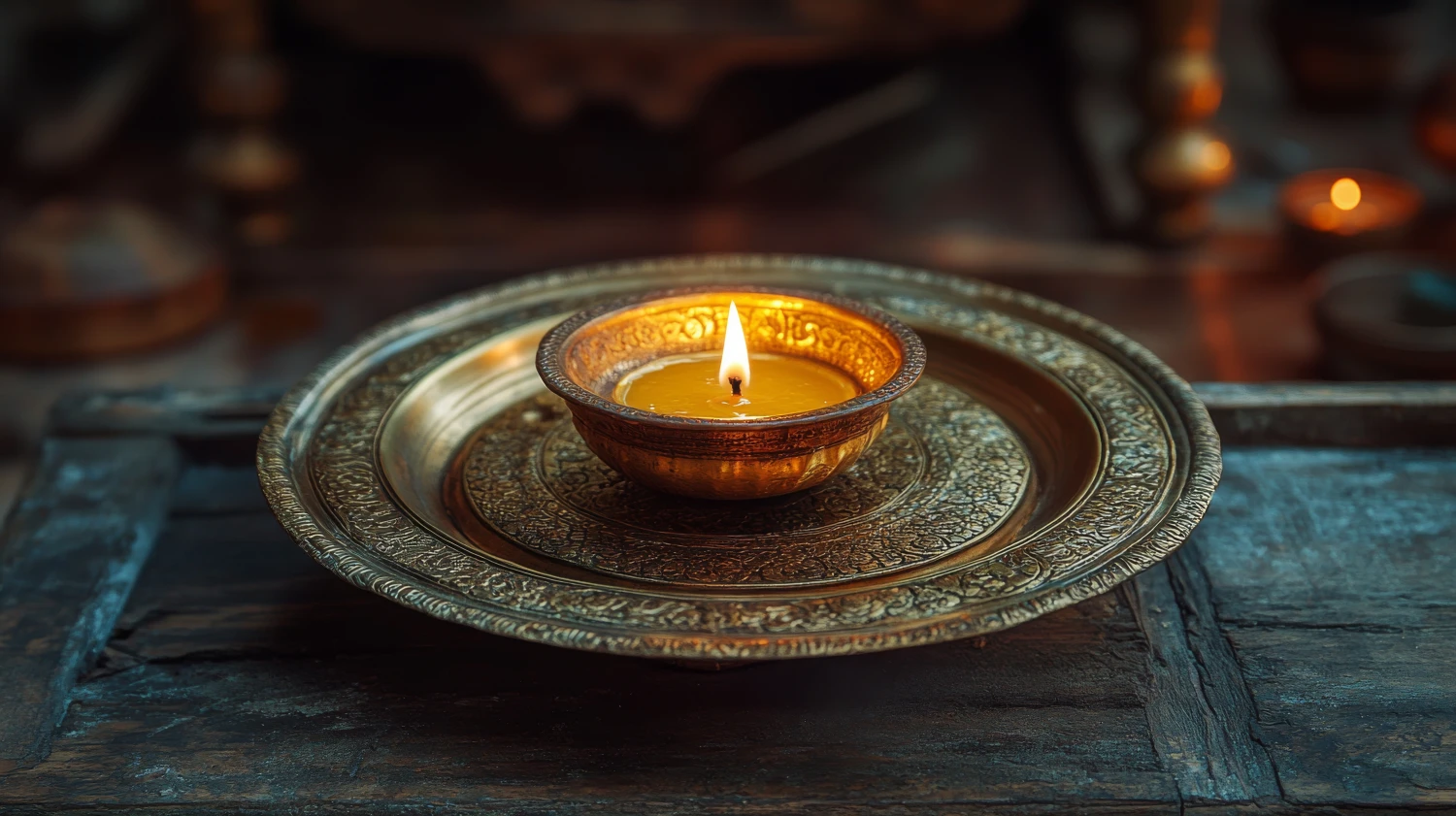
The Art & Alchemy Behind Indian Brass Handicrafts
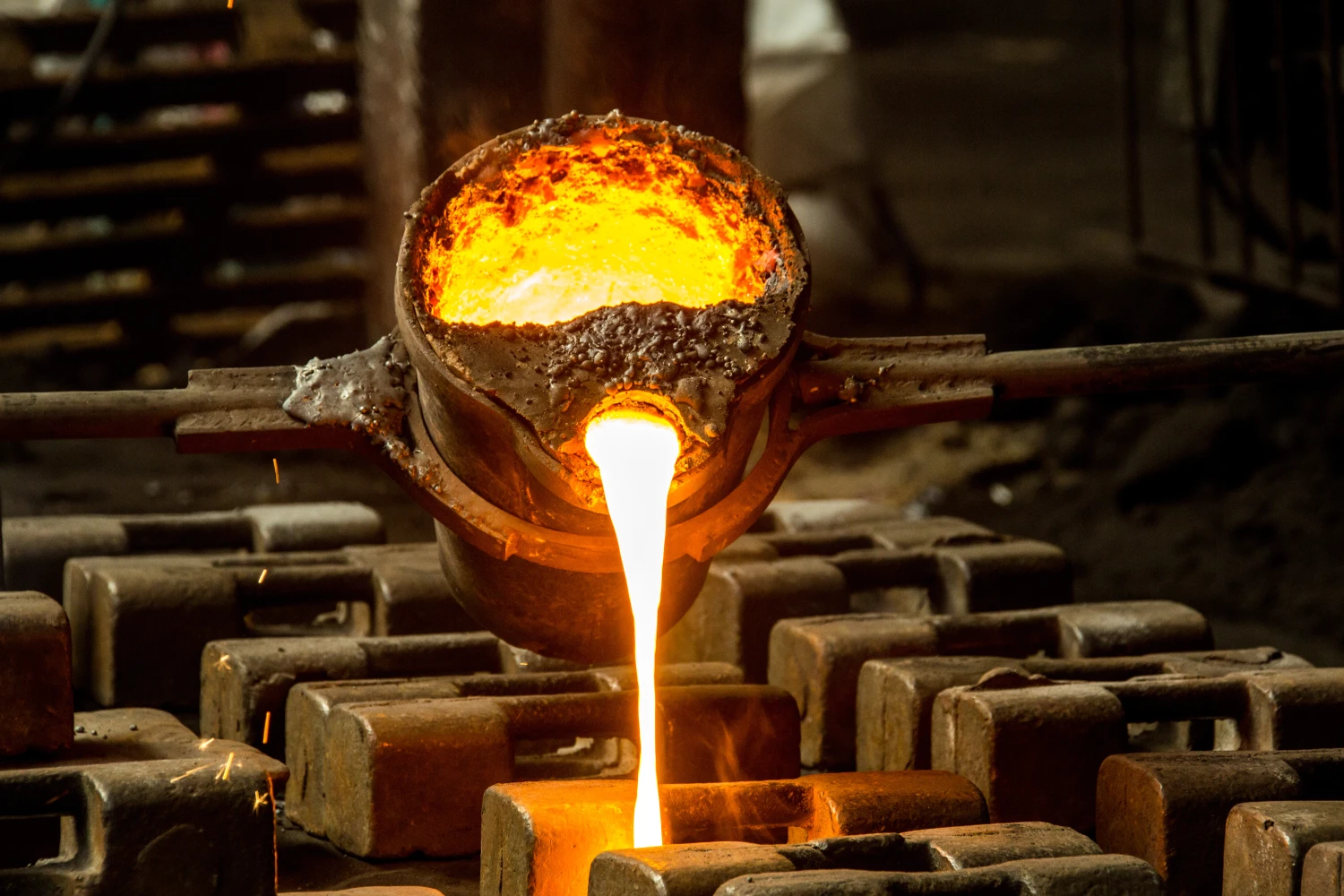
1. Gathering the Essentials: Copper and Zinc
Imagine stepping into a workshop where heaps of gleaming metal await their transformation. The journey begins with two humble ingredients: copper for warmth and strength, zinc for fluidity and shine. Artisans source these either from local metal traders or reclaimed utensils, ensuring sustainability from the very first step.
2. Alloying: Finding the Perfect Harmony
Creating brass is like brewing a perfect cup of masala chai—ratios matter. Typically, artisans blend about 70% copper with 30% zinc, though slight tweaks produce different hues and hardness levels.
- Weighing the metals on a precision scale.
- Stacking copper and zinc ingots in the crucible.
- Heating until they merge into a molten golden pool.
This molten metal becomes the canvas for centuries-old designs.
3. The Furnace’s Fury: Melting and Pouring
Whether firing up a traditional charcoal furnace or an electric induction setup, temperatures must hit around 950–1,000 °C.
- Traditional Furnaces: Clay-lined and wood-fed, they crackle with smoky aromas—reminiscent of monsoon bonfires.
- Modern Furnaces: Faster, cleaner, and easier to control, they’re becoming more common in urban hubs.
Once fully molten, the brass is carefully ladled into molds, a moment that demands absolute focus and steady hands.
4. Molding & Casting Techniques
A. Sand Casting
A tried-and-tested method where damp sand absorbs the molten brass, forming functional shapes like bowls, trays, and lamps.
B. Lost-Wax Casting (Dhokra/Kharoshti)
- Artisans sculpt intricate wax models—elephants, deities, floral motifs—and encase them in clay.
- When heated, the wax drains away, leaving a hollow clay shell.
- Molten brass fills the void, and once cooled, the shell cracks open to reveal the exact wax form in metal.
C. Spinning & Filigree
- In spinning, a flat brass disc whirls on a lathe while a skilled hand shapes it into bowls or platters.
- Filigree involves drawing brass wires finer than a strand of hair, then twisting and weaving them into lace-like patterns.
D. Repoussé & Chasing
- Repoussé raises patterns from the backside, creating embossed designs.
- Chasing refines details on the front, bringing motifs to life with depth and shadow.
5. Polishing & Patination: Achieving the Glow
Freshly cast brass can look dull. Polishing transforms it:
- Initial Buffing: Coarse stones or emery cloth remove rough edges.
- Fine Polishing: Tripoli or jeweler’s rouge gives a mirror-like finish.
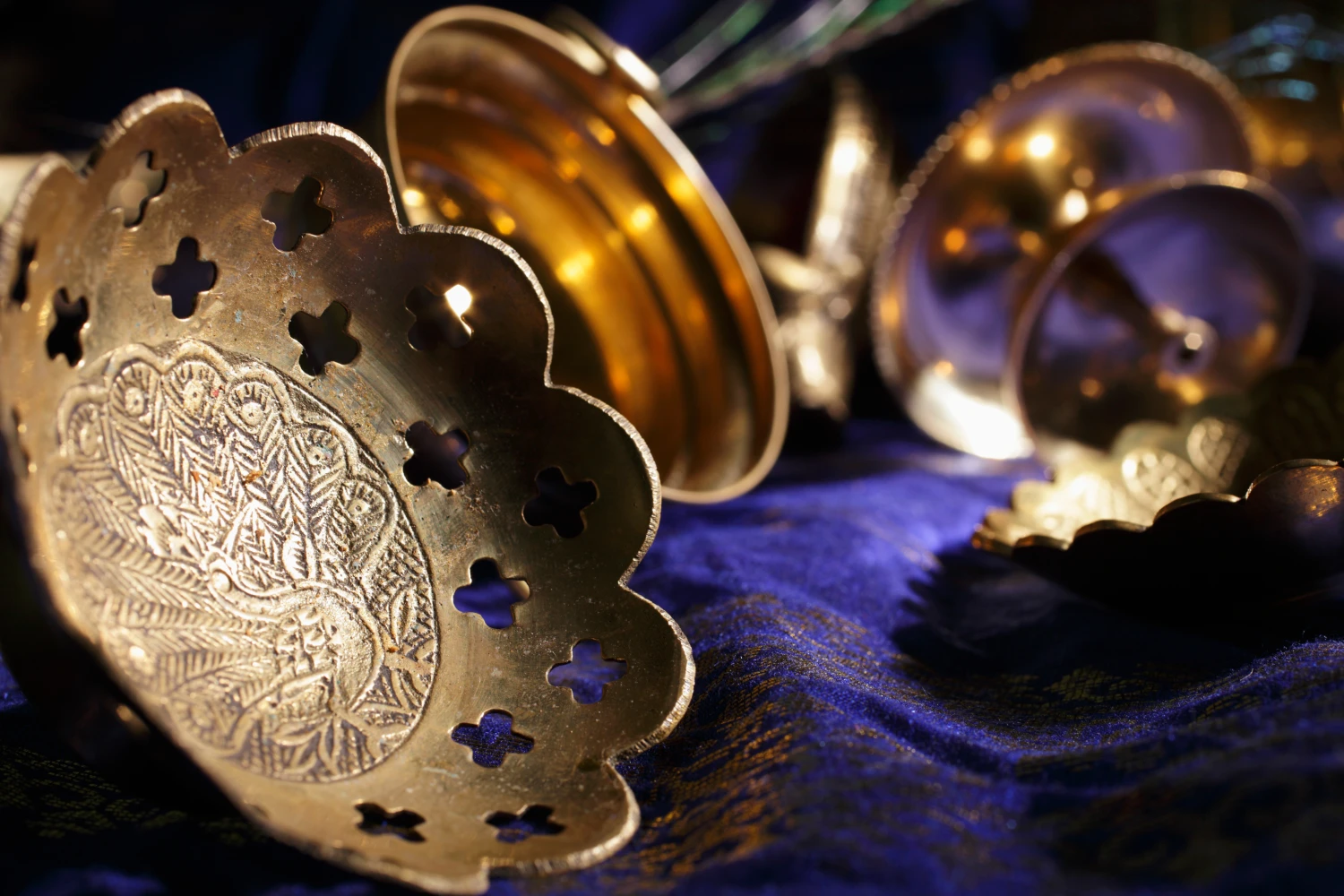
- Patination (Optional): A chemical wash or natural compound adds antique hues—from warm brown to deep avocado green—perfect for that vintage vibe.
6. The Artisan’s Touch: Engraving and Detailing
Once the base form gleams, artisans carve final flourishes by hand:
- Chisels etch delicate borders.
- Punches create stippled textures.
- Files smooth curves and refine spouts or handles.
Every nick and groove carries the storyteller’s mark—a personal signature passed down through family lines.
7. Sealing the Shine: Lacquering & Protective Coating
To keep brass looking radiant in kitchens and puja rooms, a thin layer of natural lacquer or beeswax is applied. This barrier:
- Guards against fingerprints, moisture, and cooking oils.
- Preserves that fresh-from-the-workshop gleam for years.
It’s the final promise that your brass piece will age gracefully.
8. Quality Checks & Packaging
Before heading to your home, every piece undergoes a quick inspection:
- Sound Test (for bells and ghungroos): A clear ring means perfect alloy and craftsmanship.
- Visual Audit: No cracks, pits, or uneven surfaces.
- Secure Packing: Bubble wrap, soft cloth, and sturdy boxes ensure safe delivery—even if it travels thousands of kilometers.
9. Caring for Your Brass Masterpiece
Once home, a little love goes a long way:
- After each use, wipe with a soft cloth to remove oils and water.
- For a quick refresh, use lemon juice and salt or a paste of baking soda.
- Store in a dry corner—avoid prolonged contact with acidic foods or strong detergents.
With these simple steps, your brass heirloom will glow through festivals, family gatherings, and everyday chai moments.
From rough ingots to gleaming masterpieces, the journey of Indian brass handicrafts is a blend of elemental magic and human devotion. The next time you light a diya or serve sweets in a brass bowl, remember the centuries of skill, the crackling furnaces, and the karigars whose hands bring molten metal to life.
Ready to explore our curated collection of brass wonders? Dive in and bring a slice of this timeless craft into your home.
Latest Editorials
The Art & Alchemy Behind Indian Brass Handicrafts

Brass: India’s Own Golden Metal