
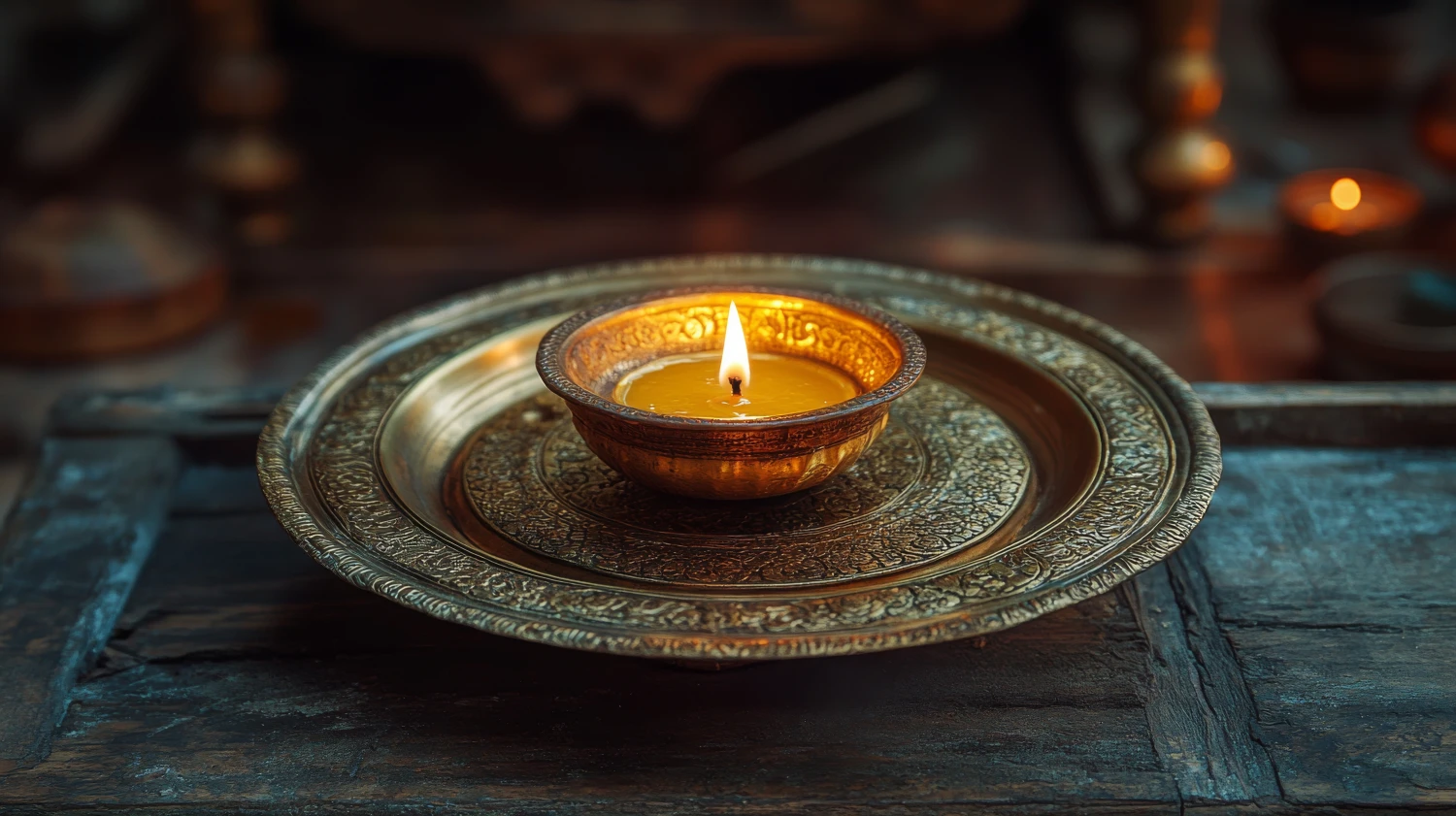
Regional Brass-Making Secrets: From Moradabad’s Filigree to Odisha’s Tribal Motifs — and Beyond
Moradabad and Aligarh's Brass Renaissance (Uttar Pradesh)
Stroll down Moradabad’s crowded bylanes, and you’ll spot karigars hunched over spinning lathes, drawing brass rods into wires finer than a hair.
- Wire-Drawing Mastery: Heated brass rods get stretched into delicate threads.
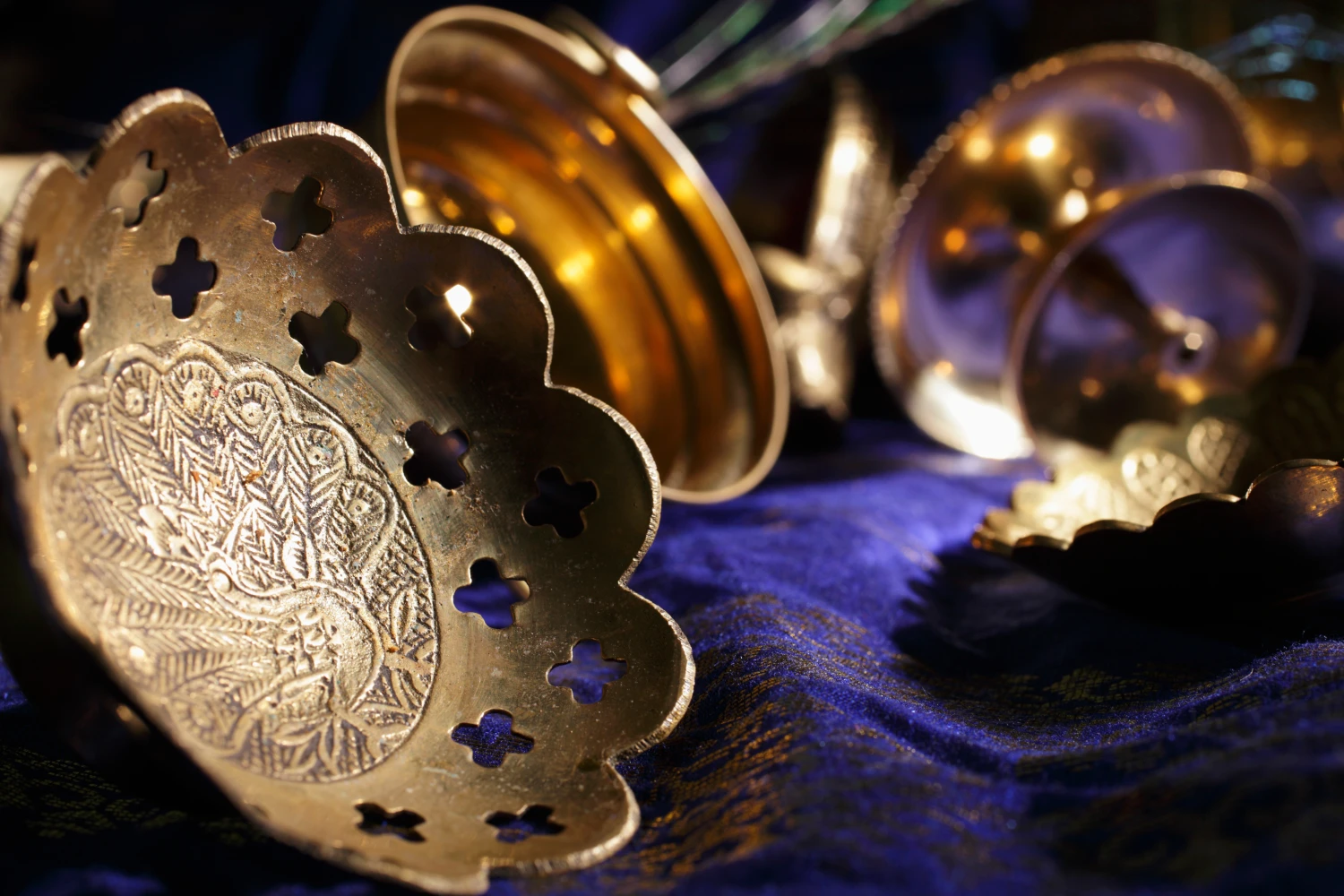
- Chasing & Repoussé: Craftsmen hammer floral vines, paisleys, and arabesques into trays and lamps.
- Protective Lacquer: A secret resin wash locks in that warm glow, ensuring pieces ship worldwide—from Delhi décor stores to London boutiques.
- Bulk Casting: larger moulds churn out decorative vessels, door handles, Idols and puja thalis.
- Electric Plating and Nickeling (EPNS): A modern twist—bright chrome and antique finishes for urban homes.
- Family Clans: Entire muhallas (neighborhoods) dedicate themselves to pouring, polishing, or etching—skills passed from father to daughter.
Why here? Moradabad grew around a Mughal-era mint, with copper deposits nearby and a dense network of over 1,000 tiny workshops—all buzzing with shared tools, tips, and orders.
Jamnagar’s Bell Metal & Brass Wonders (Gujarat)
Head west to Jamnagar, where boats once docked with copper ingots from the Arabian Sea. Shipwrights and brass-makers soon collaborated, forging bells, utensils, and ritual vessels.
- Bell Metal Alloy: A higher tin ratio gives bells a deep, sonorous ring—ideal for temples and maritime signals.
- Engraved Patola Motifs: Local weavers’ geometric designs find their way onto brass plates and wall panels.
- Export Focus: Jamnagar pieces—everything from kitchenware to temple gongs—flow to East Africa and Southeast Asia.
A century of mercantile trade turned this coastal town into a melting pot of styles and techniques.
Bastar’s Tribal Dhokra Legacy (Chhattisgarh)
In the forests of Bastar, Dhokra craftsmen reimagined lost-wax casting into a communal art form.
- Village Guilds: One family sculpts the wax figures, another mixes the clay mould, a third handles the pour and polish.
- Bold Tribal Motifs: Stylized peacocks, village processions, and forest deities dance across the surface.
- Eco-Sensitive Practice: Leftover brass sprues get melted back, minimizing waste and honoring nature’s balance.
This decentralized village network, supported by local cooperatives, ensures Dhokra thrives far from city lights.
Odisha’s and Bengal's Lost-Wax Stories (Sambalpur & Beyond)
Odisha’s Dhokra isn’t a carbon copy of its Madhya Pradesh cousin. Here, Kharoshti (lost-wax) art draws on ancient tribal lore.
- Resin-Wax Blend: Artisans add rice husk ash for fine texture and better mould release.
- Spirals & Concentric Circles: Motifs echo folk songs, harvest festivals, and river goddesses.
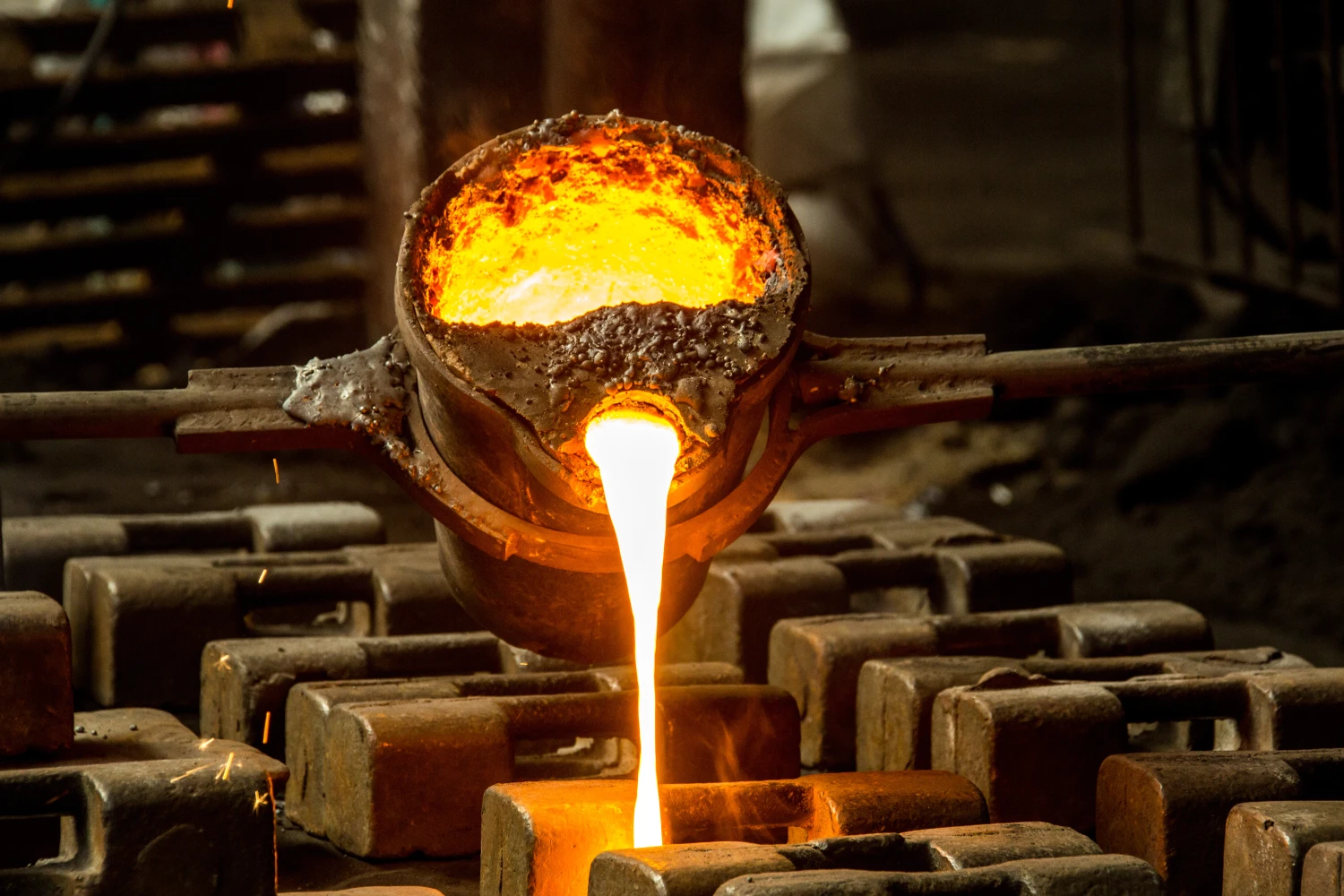
Sambalpur’s annual craft summit invites buyers to watch live pours—sparks flying as molten brass meets clay.
Puliyur’s Temple Bells & Idols (Tamil Nadu)
Down south in Puliyur, brasssmiths specialize in the sacred clang of temple bells and cast-metal deities.
- High-Tin Brass: A 10–15% tin mix boosts strength for large bells that ring crystal-clear in temple courtyards.
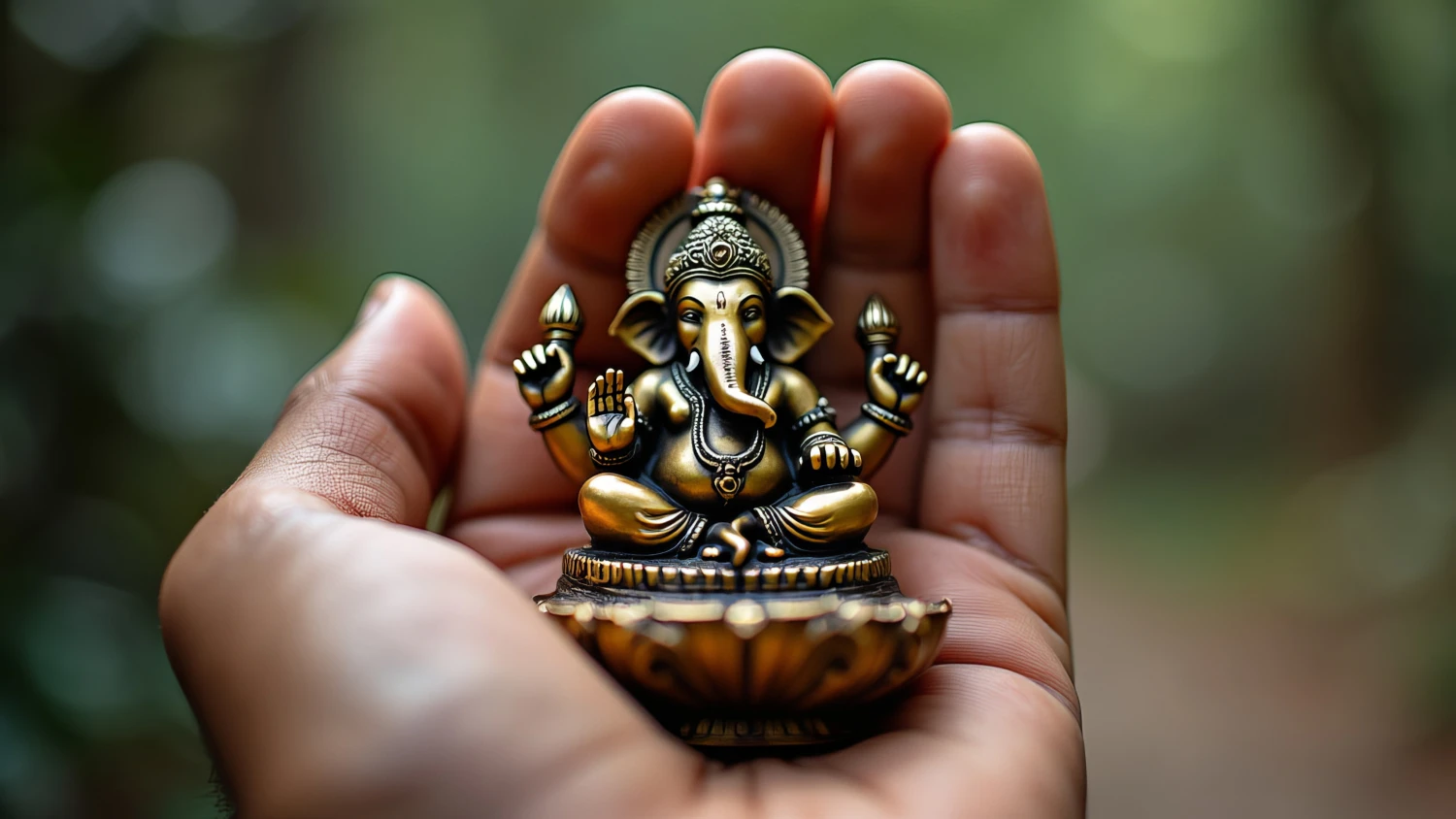
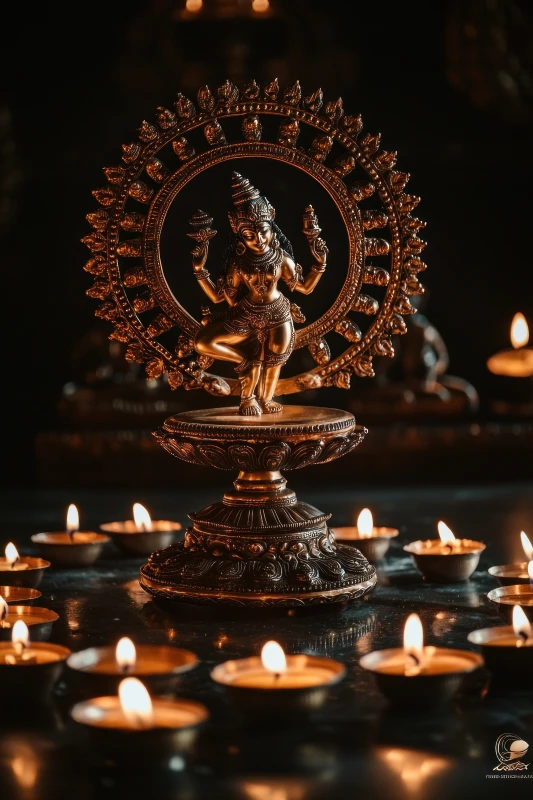
- South Indian Iconography: Ganesha, Nataraja, and guru idols come alive in smooth contours and crisp details.
- Temple Patronage: Local shrines commission hundreds of bells and lamps each year, sustaining entire neighbourhoods.
State workshops provide design blueprints, while families maintain the age-old furnace temperatures by eye and hand.
What Turns These Towns into Brass Capitals?
- Local Ores & Alloys: Access to copper, zinc, and sometimes tin shapes each region’s signature alloy.
- Skill Lineages: Families guard secrets—wire-drawing in Moradabad, wax-modelling in Bastar—handing them down like heirlooms.
- Collaborative Ecosystems: Clusters of small units share tools, techniques, and orders, ensuring everyone grows together.
- Market Linkages: From Delhi bazaars to international expos, artisans get the exposure and fair prices they deserve.
Bringing India’s Brass Treasures Home
Ready to sample this pan-India brass smorgasbord? Start with a filigree lantern from Moradabad, add a tribal-patterned Dhokra elephant from Bastar, and ring in your own living room with a Puliyur temple bell. Each piece is more than décor—it’s a snapshot of regional history, community pride, and generations of craftsmanship.
So next time you light an oil lamp or hang a wind chime, let brass tell you its story—one molten pour, one hammered groove, and one village at a time.
Latest Editorials
The Art & Alchemy Behind Indian Brass Handicrafts
Brass: India’s Own Golden Metal